Early access · invite-only
Your course, taught 1:1 to every student.
A teacher brings the material they already have. Chalk turns it into a course, teaches each student one to one in the language they think in, and shows the teacher who is stuck on what.
Runs in your browser. Nothing to install.


The problem
A course today is a video playlist.
- Making one means recording, editing and building quizzes.
- It runs at one pace, in one language, with nobody to ask when you're stuck.
- Afterwards the teacher still can't see who understood what.
Chalk isn't a chatbot over documents or a video library. The course is the product: written by a teacher, taught by AI, tracked for both.
How it works
From a pile of material to a class.
-
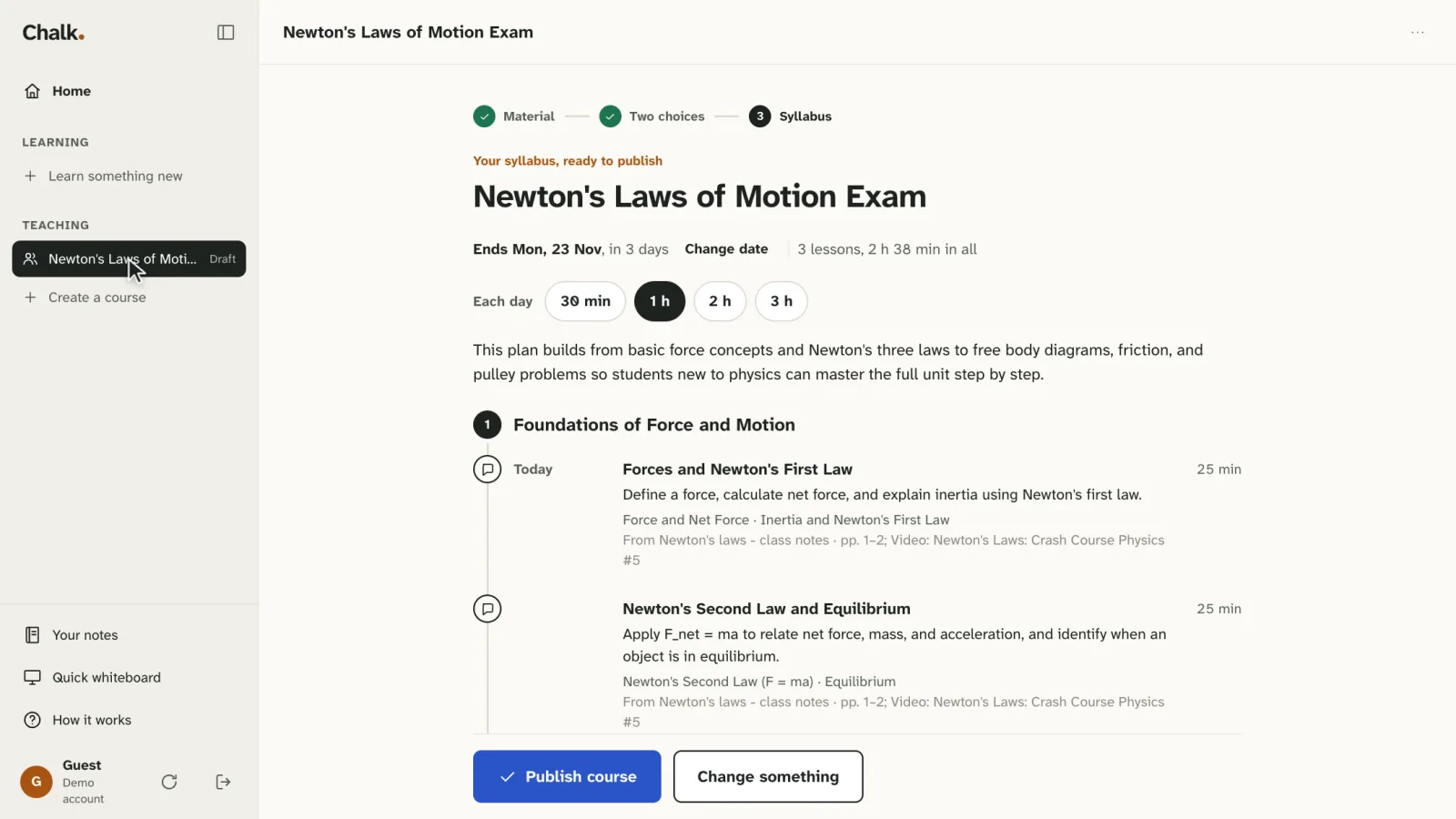
Bring your material
Notes, slides, PDFs, web pages, YouTube links. No recording, no editing.
-
Chalk drafts, you edit
A syllabus, lesson by lesson. Nothing goes out without the teacher's yes.
-
Students join by link
Each gets their own plan and is taught 1:1, at their own pace.
-
Everyone sees progress
Students see what is weak. Teachers see the class.
The lesson
Every student gets the teacher to themselves.
-
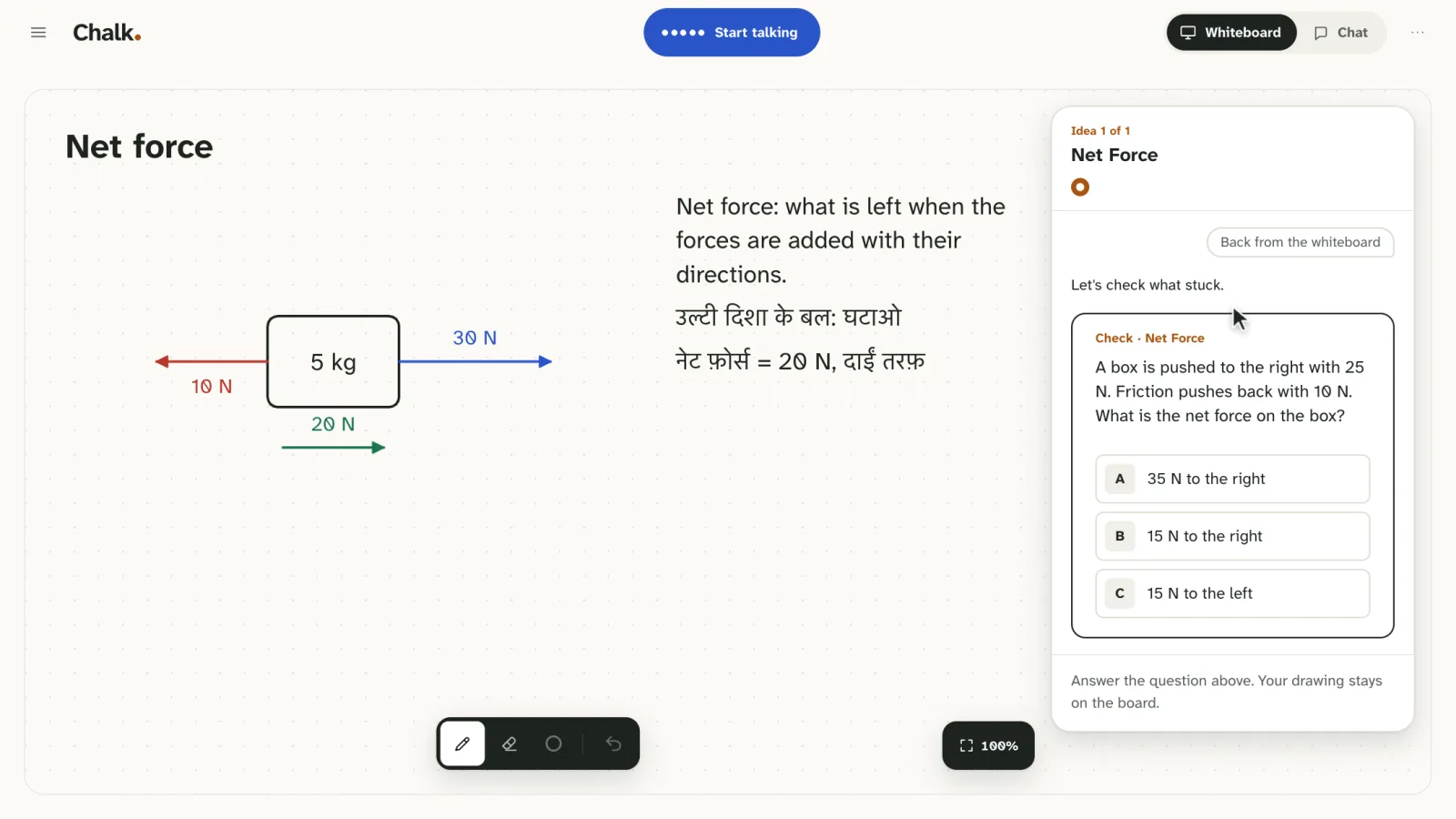
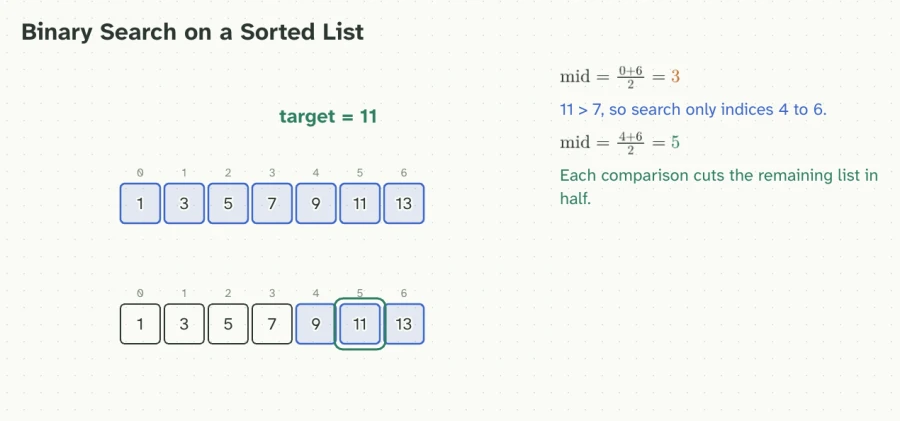
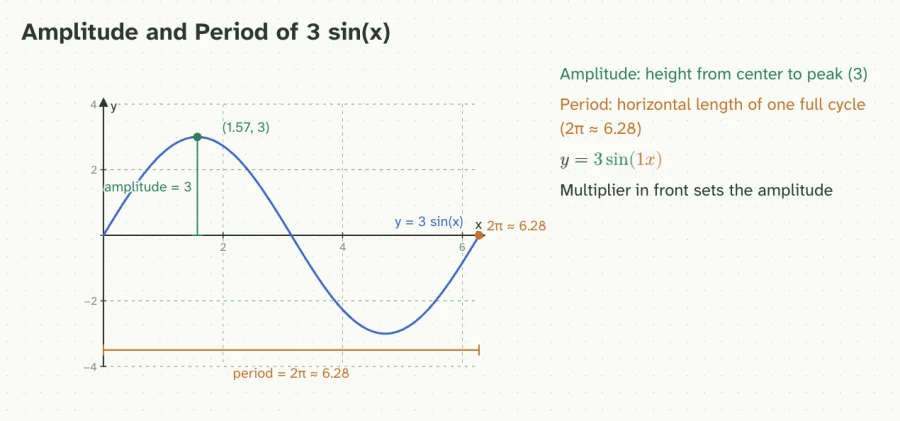
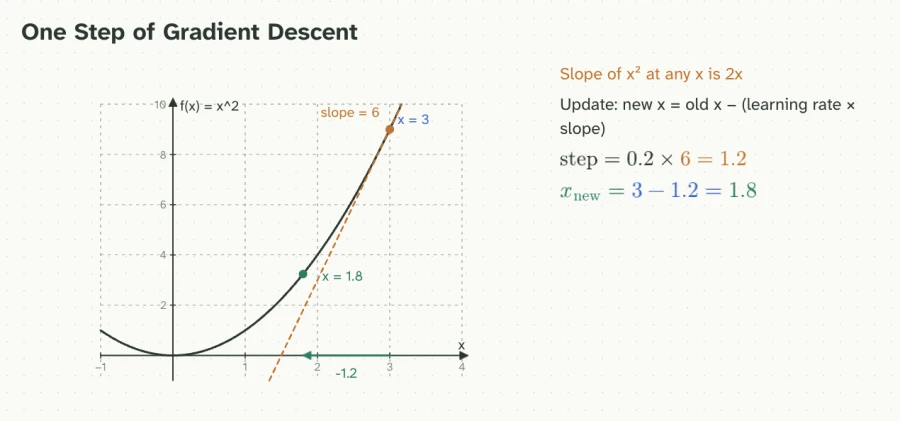
It talks and draws at the same time
Each line, curve and formula appears on the board at the moment you hear the words for it.
-
In the language you think in
Ask it to explain in Hindi, Tamil or Malayalam and it does. 17 languages, eight of them Indian. Same course, same checks.
-
You can cut in
Interrupt it and ask anything, or draw on the board yourself. Prefer typing? Take the lesson in chat.
-
Explain, then check
Every idea ends with a graded question. Two misses mark it shaky, and it comes back for review.
The part that's different
Models propose. Code decides.
- Code orders every lesson: explain first, then check.
- Answers are graded in code, or against a stored rubric.
- Answer keys never reach the browser.
- An idea is ticked only when its check is passed.
- Every lesson cites the page or the moment in the video it teaches from.
Gemini plans, teaches, draws, speaks and writes the checks. Code validates each thing it returns before it is stored or shown, so progress is never the model's word for it.
For the teacher
See the class, never the private work.
-
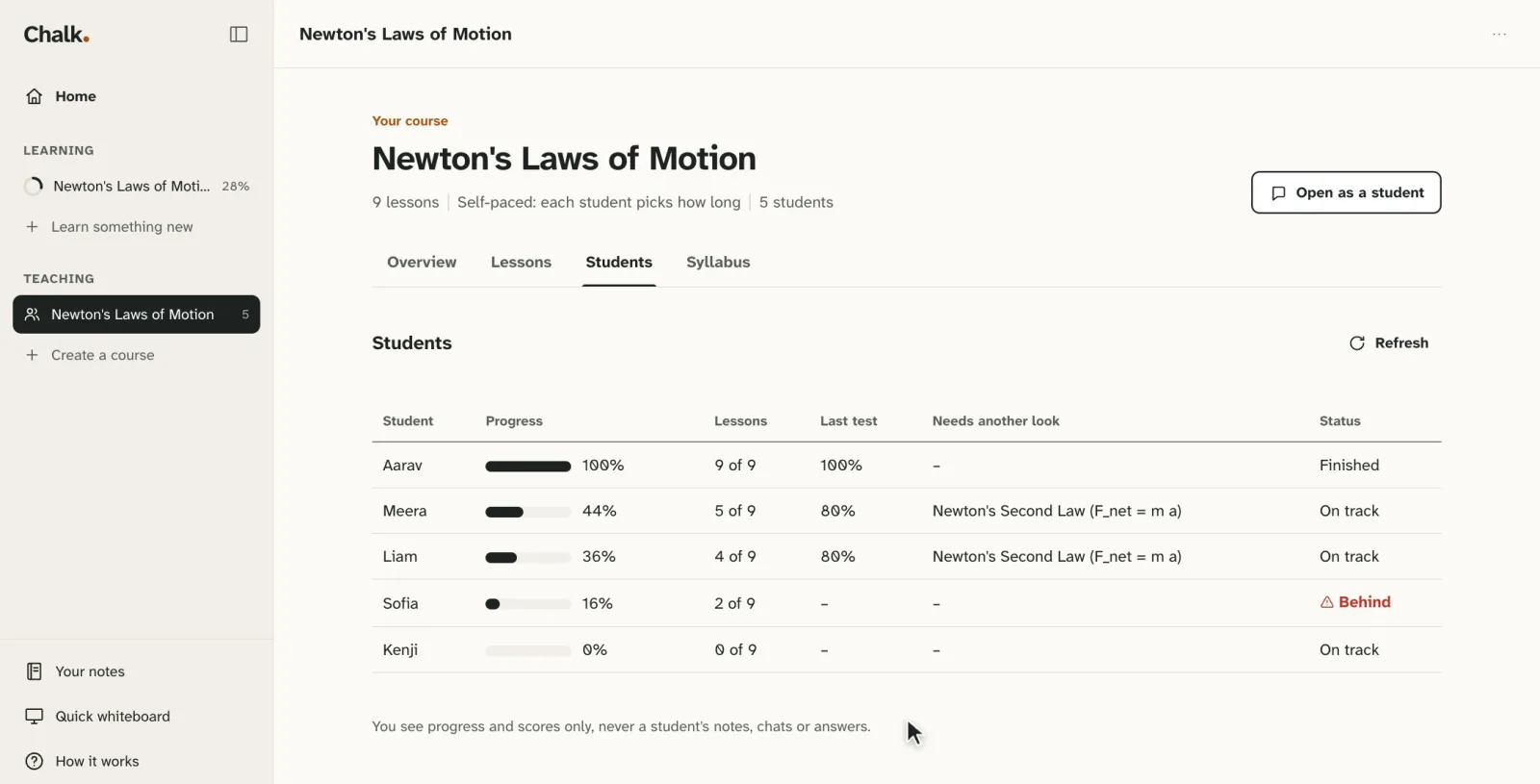
Who is behind, and on what
Each student's progress and last test score, and the ideas most of the class got wrong.
-
Progress only
Never a student's notes, chats or answers. The database itself refuses to hand them over.
-
Still your course
Change the syllabus in plain words, add what your material is missing, and leave a note on how you want it taught.
What students say
“Chalk was a great intervention for me. It helped me to grasp rougher topics seamlessly by diagrammatic and graphic representations, also there was a kind of revision viva voce questions which aided thorough understanding.”
Who it's for first
College students, and the people who teach them.
Teachers already have the material: notes, slides, PDFs, a lecture they like on YouTube.
No teacher? Bring your own notes and say when the exam is. Chalk plans every day up to it and teaches you the same way.
Private by default
- Teachers see progress, nothing else Scores, pace and the ideas a student finds hard. Never their notes, chats or answers.
- Files are read in your browser The text of your PDFs and Word files is what's sent. It is kept with the course and deleted with it. Scans and photos go as images to be read.
- A student's copy is theirs Joining copies the course into the student's own plan. If the teacher deletes the course, they keep their copy and their progress.
- Your notes are yours Closing a lesson saves what it taught to your notes. Export them as Markdown, or delete them.
Your voice and lesson content go to Google Gemini while you learn. For learners 18 and over.
What's next
Labs a teacher can build, and real classes.
A pilot with real classes
College students and their teachers first. No study with real learners has been run yet, so Chalk makes no claim about grades.
Interactive labs
A teacher describes a lab, Chalk builds it and the teacher approves it. Students learn by doing: run SQL queries, turn a 3D heart, step through a transformer, write code inside the lesson.
Younger learners
Chalk is for learners 18 and over today. Under-18s come once parental consent is built.
Try it.
Chalk is invite-only while we get it right. Tell us what you teach or study and we'll send you in.